4. Eat a balanced diet
To lose weight, the energy you eat (calories) needs to be less than the energy you use.
Some diets or weight loss plans suggest cutting out entire food groups to achieve this, but this means you miss out on essential nutrients.
To remain healthy, your diet still needs to be balanced. So instead of cutting foods out, focus on eating more foods like fruit and vegetables, beans, wholegrains and oily fish.
These are all part of the Mediterranean diet, which has been proven to help with weight loss and improve heart health.
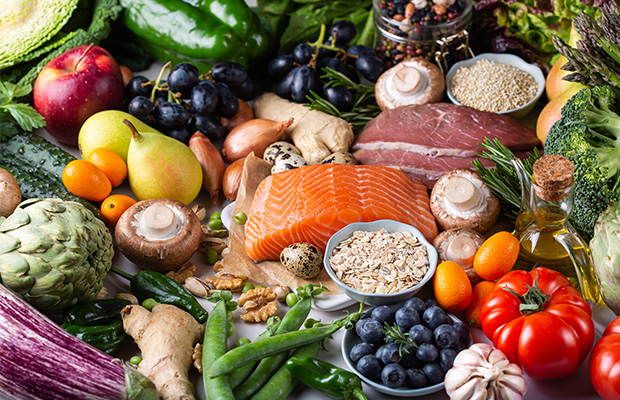
Some foods that are higher in calories are also good for you. For example, foods like oily fish, unsalted nuts and avocado are high in fat, but they contain healthy unsaturated fats that help maintain healthy cholesterol levels.
If you’re trying to lose weight, eat these foods less often or limit your portion size.
Reduced-calorie, low-calorie or light versions of your favourite foods can also be helpful.
But remember to check food labels, as low-calorie does not always mean they are low in salt and sugar.
5. Get support from others
If you live with someone else, asking them to support you, or even lose weight with you, can help to reduce the temptation of unhealthy foods at home.
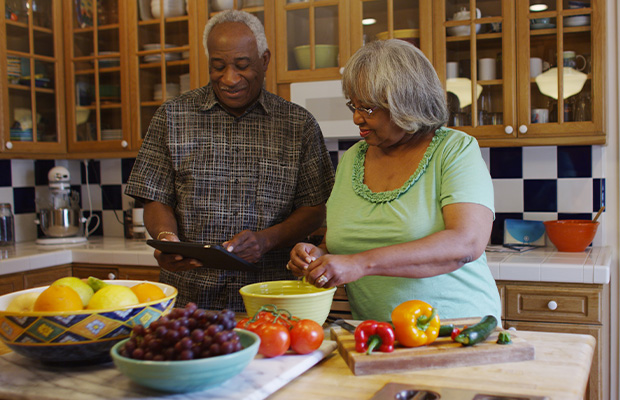
Group support also works well for some people.
There's some evidence that joining a weight loss group leads to more successful weight loss than doing it alone.
You can ask to your GP or practice nurse if there are local groups you can join or be referred to.
They may be able to offer you other support with your weight loss journey too, such as exercise on prescription, where you are referred for sessions with a qualified trainer.