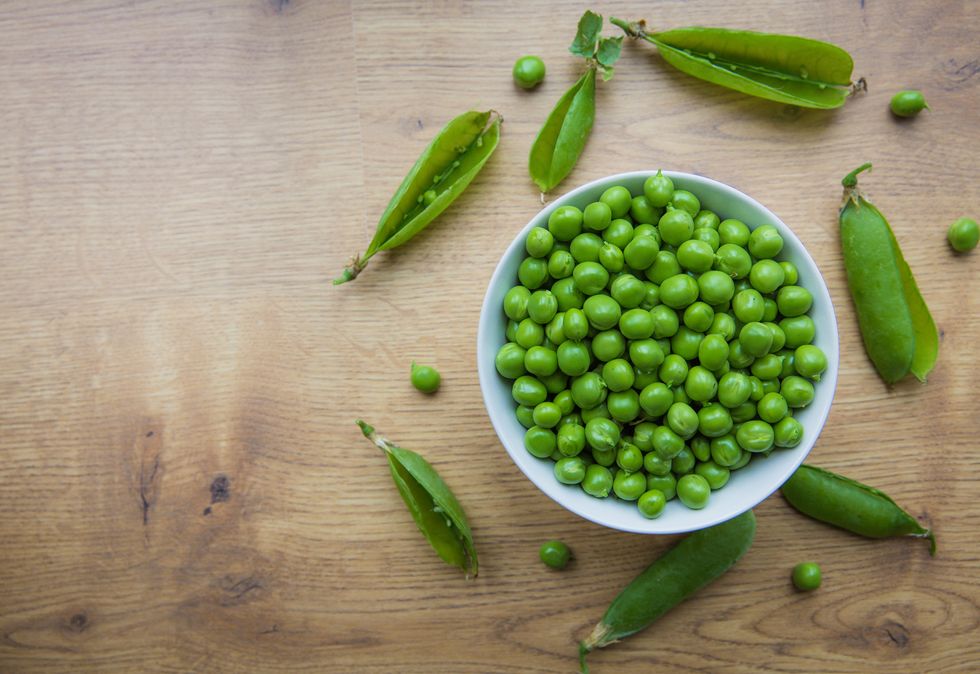
Peas are a super underrated source of plant based protein. They carry 5g of protein per 100g and only contain 81 calories. Peas are also a good source of dietary fibre making them a brilliant choice to have alongside your meals. There is strong evidence that those who consume a diet high in fibre have reduced risks of certain diseases.
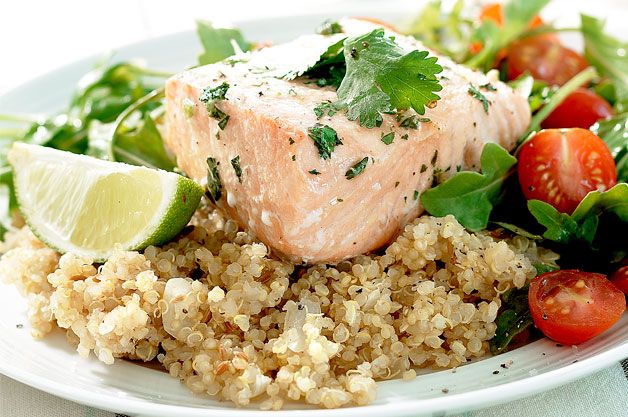
Containing 20g of protein per 100g, salmon packs more of a punch than just protein. Salmon is a rich source of omega 3 with abundant evidence supporting its benefits including its protective role against a range of illnesses. A review from Nature Reviews Cardiology recommends '250–500 mg daily of long-chain omega-3 fatty acids from oily fish or fish-oil supplements'. A 100g serving of salmon delivers well over this recommendation with 4g of omega-3s.
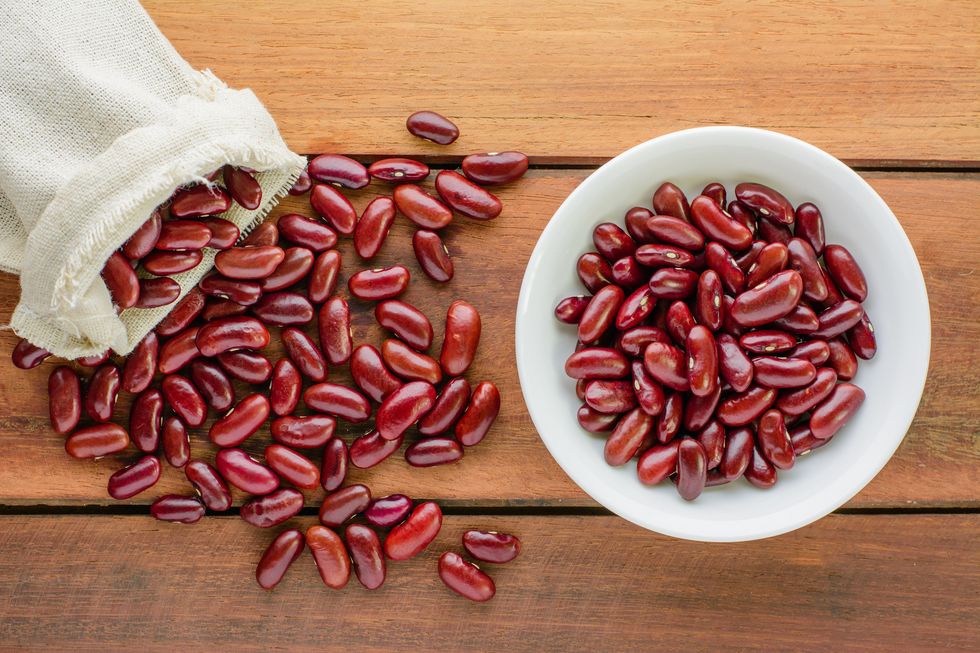
Kidney beans are an underrated source of protein at 24g of protein per 100g. You can cook them in a plant based chilli or stew with rice. By combining legumes like kidney beans with rice, you can benefit from a complete amino acid profile. Amino acids are necessary for a whole cascade of bodily functions. In a study published by Frontiers in Nutrition, it was concluded that 'the diverse composition of amino acids from plant protein sources offers simple opportunities to build protein blends that target certain amino acid profiles'.
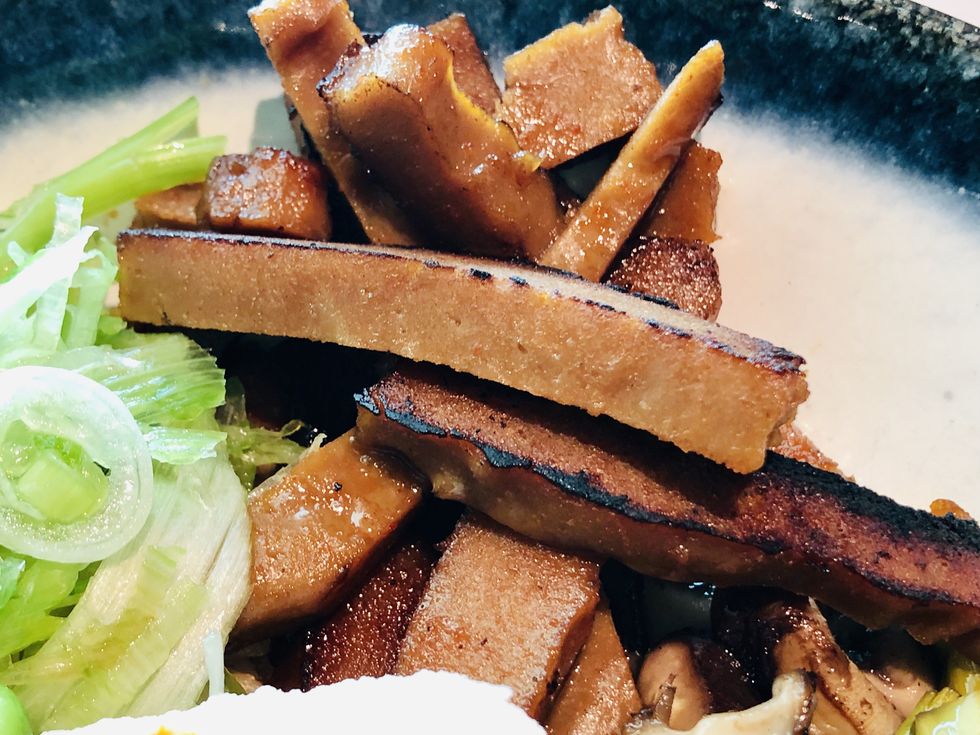
Seitan is a plant based product derived from wheat gluten. It contains 75g of protein per 100g and could be a favourable option if you are trying to cut down on your meat consumption. As an added bonus, a recent 2023 study published by the Journal of the Science of Food and Agriculture found that seitan protein-based bacon provides more protein content than original bacon, making this plant based protein a strong contender in your fridge full of high protein foods.
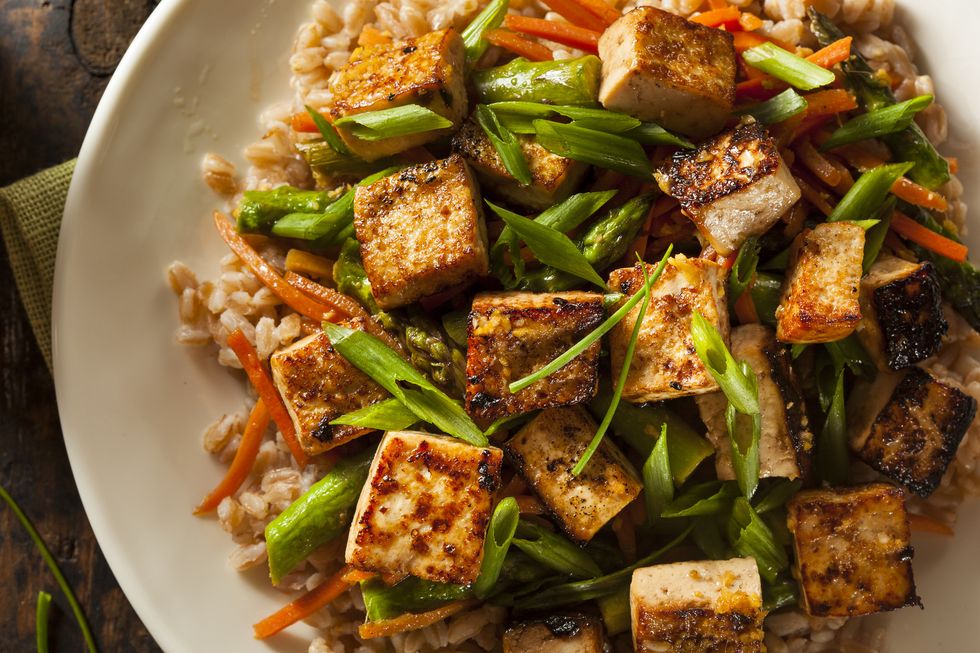
This meat substitute has roughly 15 grams of protein per 100 grams. It's a protein-rich fungus that’s fermented and mixed with egg white or potato starch to form a meat substitute. Quorn is versatile and can be grilled, sautéed, baked, or added to soups and stir-fries to increase the protein content.
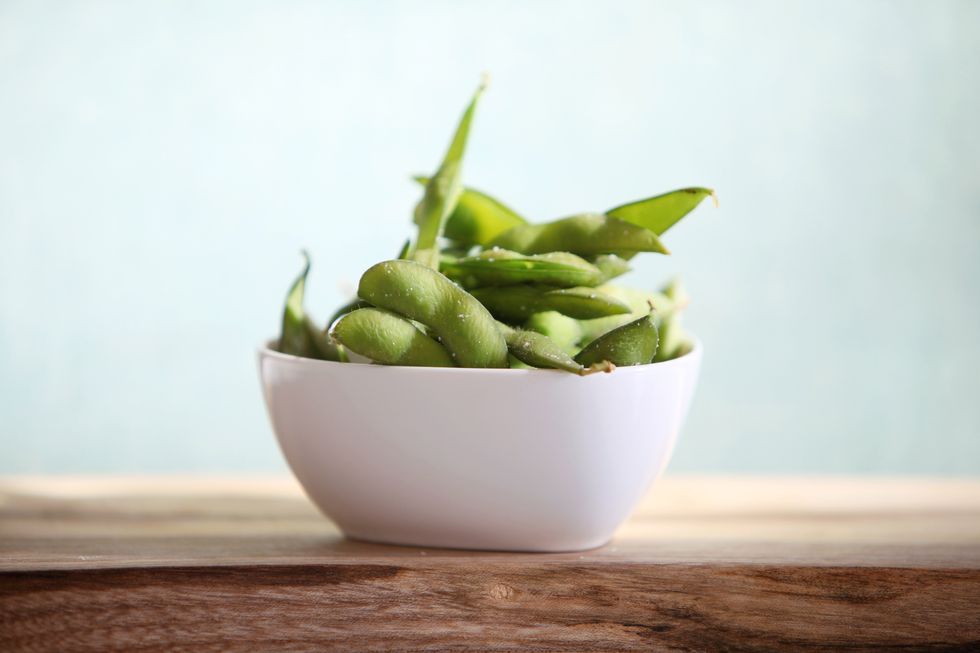
Granted, unripened soybeans don't sound particularly appetising, but they're an excellent source of plant-based protein – one 50g serve contains around 6g, plus 4g carbs and 70 calories. Unlike other legumes, edamame provides all of the essential amino acids your body needs. Sprinkle over salad, stir them into pasta, or eat them right out the shell.
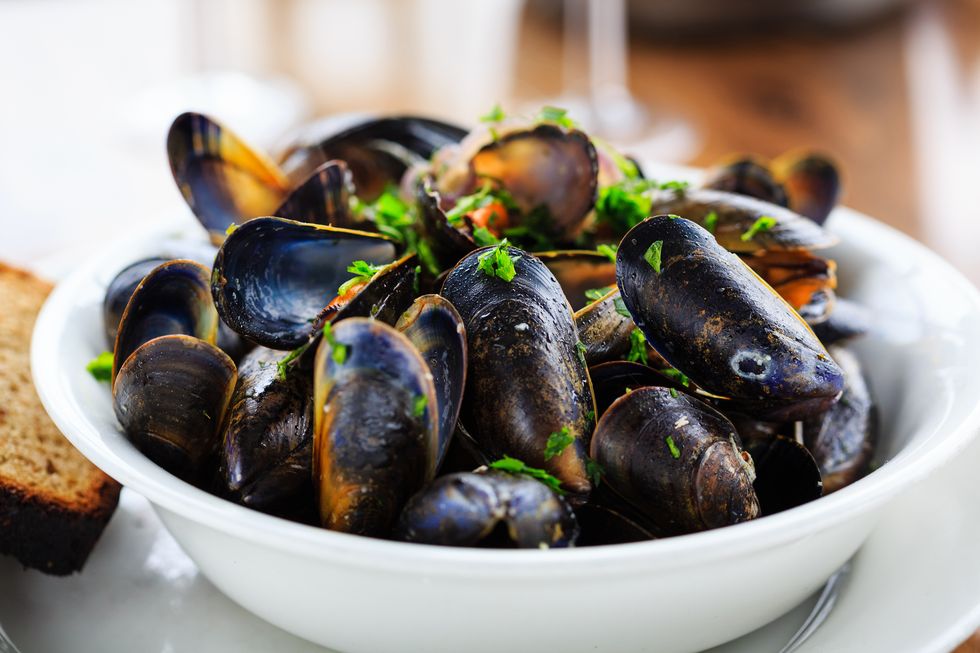
These are also stuffed with vitamin B12. Throw a bag of them into a pot with beer and butter, then serve with crusty bread. Per 100g contains 15g of protein.
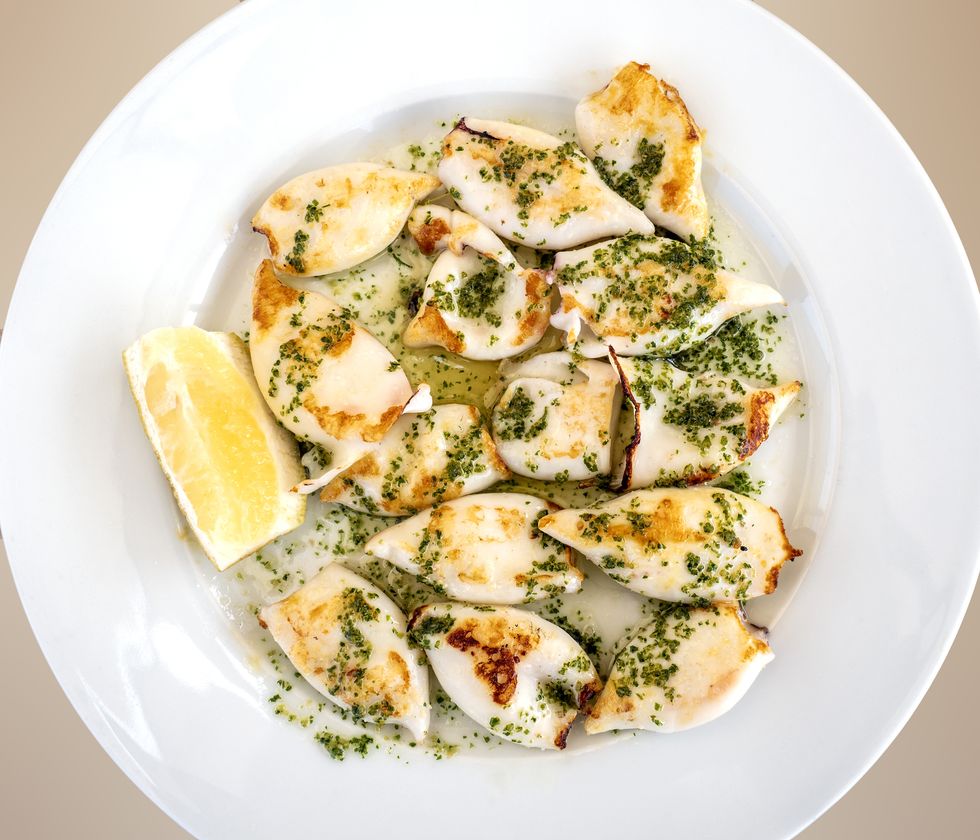
Cheap, easy to cook and packed full of protein. 100g of squid will serve up 18g of the muscle-building macronutrient.
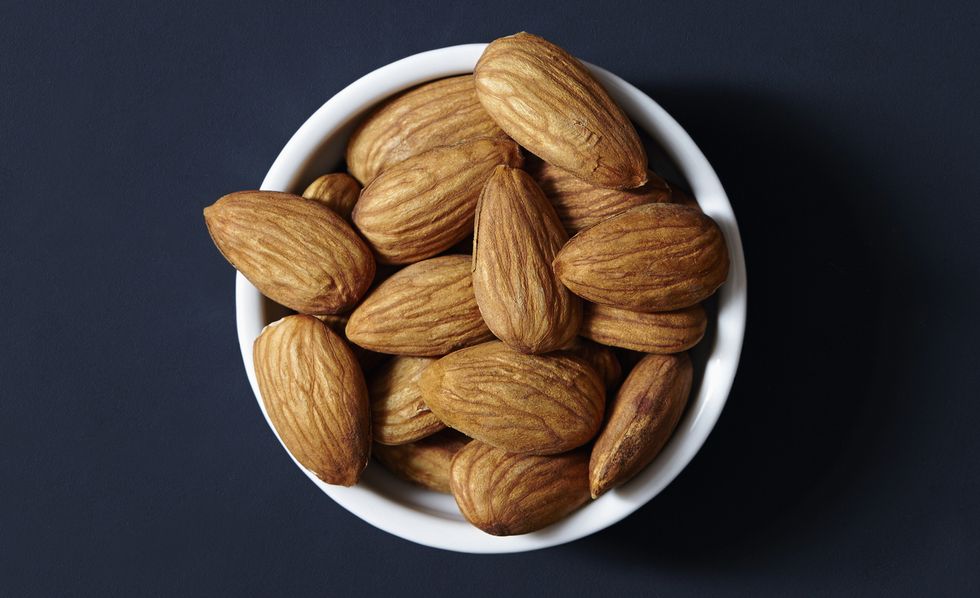
Almonds are one of the richest sources of vitamin E, providing one third of your daily intake and 6g protein in every 30g portion. In a study by the University of South Australia, participants who scoffed a handful of almonds every afternoon for four weeks dropped fat and build muscle, despite not making any other dietary changes.
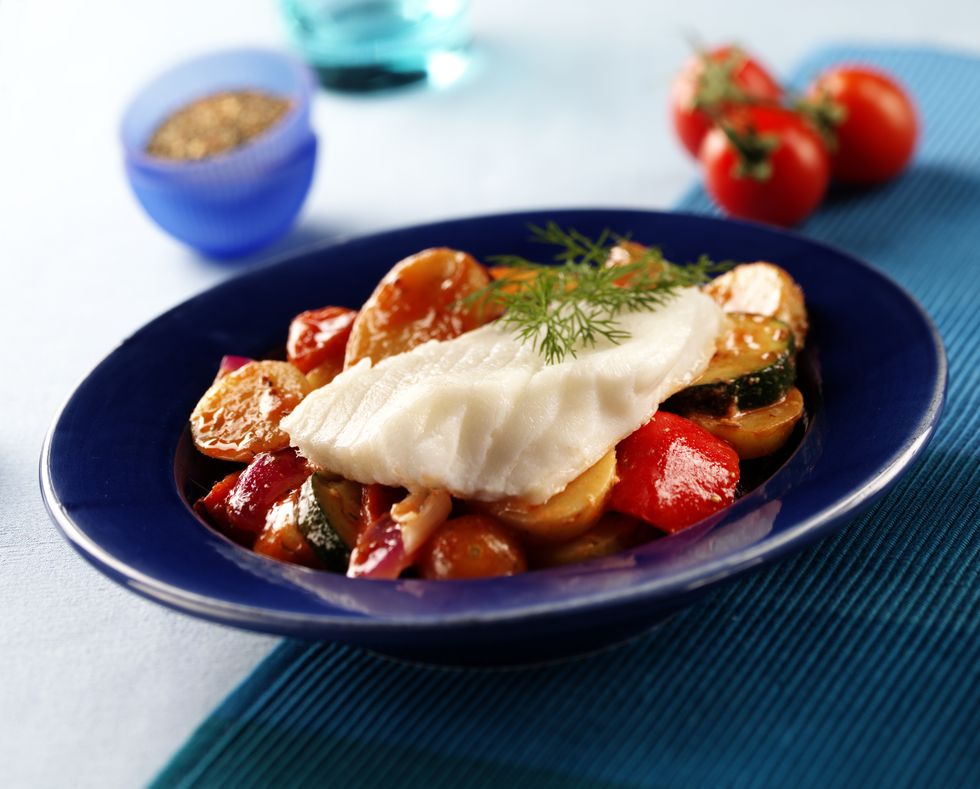
With an impressive 18g of protein and mere 82 calories per 100g, cod could be a formidable addition to your fat-loss meal plan and is easily one of the best high protein foods around.